

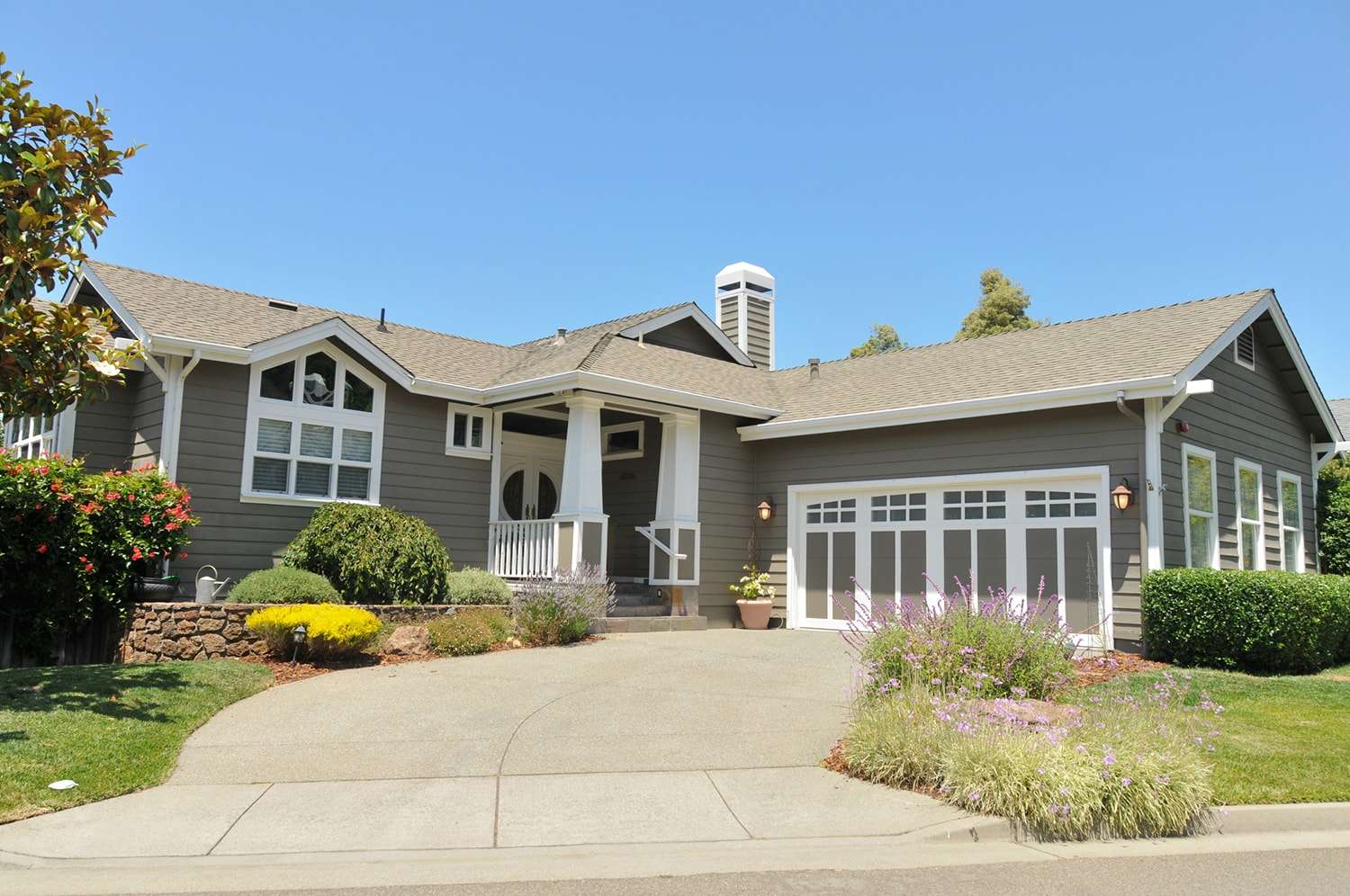

Why Vinyl Siding Is Popular on Long Island
Vinyl siding has become the preferred exterior cladding for homes across Nassau County, Suffolk County, and Queens, and the reasons are straightforward. It offers excellent durability against Long Island's challenging weather, requires minimal maintenance, and comes in a vast array of colors and profiles that can transform the appearance of any home. From the salt-laden breezes along the South Shore to the humid summers that define our region, vinyl siding stands up to conditions that can deteriorate other materials.
Unlike wood siding, which requires regular painting and is susceptible to rot in our humid climate, or aluminum siding, which dents easily during hailstorms, vinyl siding maintains its appearance for decades with nothing more than an occasional wash. Modern vinyl siding from manufacturers like Alside features fade-resistant technology and can withstand wind speeds up to 110 mph or more, making it an ideal choice for Long Island homes.
Types of Vinyl Siding Available
Today's vinyl siding options go far beyond the thin, flat panels of decades past. Horizontal lap siding remains the most common style, available in traditional clapboard, Dutch lap, and beaded profiles. The width of the panels varies, with four-inch, five-inch, and eight-inch exposures each creating a different visual effect on your home's exterior.
Board and batten vinyl siding has surged in popularity across Long Island, offering a vertical profile that adds architectural interest, particularly when combined with horizontal siding on other sections of the home. Vinyl shake and shingle siding mimics the look of cedar without the maintenance, perfect for the classic New England aesthetic found in many North Shore communities.
Insulated vinyl siding is another option worth considering. It features a foam backing bonded to the panel, which adds R-value to your walls and reduces thermal bridging. For Long Island homes that lack adequate wall insulation, especially older homes in communities like Freeport, Babylon, and Islip, insulated siding can noticeably improve comfort and reduce energy bills.
The Installation Process Explained
Professional vinyl siding installation begins with removing the existing siding material and inspecting the sheathing beneath. This step is critical because it reveals any water damage, rot, or insect damage that must be addressed before new siding goes on. On Long Island, where many homes date to the post-war building boom, it is not uncommon to find deteriorated sheathing that needs replacement.
Once the substrate is sound, a moisture barrier or house wrap is applied to prevent water infiltration while allowing vapor to escape. Starter strips are installed along the bottom of each wall, and then panels are hung from the bottom up, locking each course into the one below. Proper installation leaves room for expansion and contraction, as vinyl expands significantly in summer heat and contracts during winter cold.
Trim work around windows, doors, soffits, and fascia is where craftsmanship truly shows. Poorly installed trim is the leading cause of water infiltration behind vinyl siding. An experienced installer will use J-channel, utility trim, and flashing details that direct water away from vulnerable areas.
Cost Considerations for Long Island Homeowners
The cost of vinyl siding installation on Long Island typically ranges from $6 to $12 per square foot installed, depending on the quality of the siding, the complexity of your home's exterior, and whether old siding removal and sheathing repairs are needed. For an average 2,000-square-foot home, total costs generally fall between $12,000 and $24,000.
While it may be tempting to choose the least expensive option, investing in thicker, premium-grade siding pays dividends in longevity and appearance. Thicker panels, typically .044 inches or more, resist impact damage better and have deeper shadow lines that create a more realistic wood-grain appearance. Alside's Charter Oak and Prodigy lines are popular choices among Long Island homeowners who want the best combination of performance and value.
Maintenance Tips for Long Island's Climate
One of vinyl siding's greatest advantages is its low maintenance requirements, but that does not mean zero maintenance. In our coastal climate, salt deposits and mildew can accumulate on siding surfaces over time. An annual cleaning with a garden hose and a soft brush, or a gentle power washing on a low setting, will keep your siding looking fresh.
Avoid using harsh chemicals or abrasive cleaners, which can damage the surface finish. A solution of water with a small amount of white vinegar or a cleaner specifically formulated for vinyl siding works well. Pay extra attention to north-facing walls, which receive less direct sunlight and are more prone to mildew growth in our humid summers.
After major storms, walk the perimeter of your home and check for any panels that may have been displaced by high winds. Vinyl siding is designed to flex and move, but extreme gusts during nor'easters can occasionally lift a panel loose. Catching this early prevents water from reaching the sheathing beneath.
Schedule Your Free Siding Consultation
Whether you are looking to replace aging aluminum siding, update the look of your home, or improve energy efficiency, Brothers Aluminum can help. With over 40 years of experience installing premium siding across Long Island and Queens, we know what works best in our local climate. Call us at 516-872-0947 or request a free estimate online today.